Why do Asians look younger than Europeans and Americans at the same age?
Professor Yang Xichuan, Professor of Dermatology, Xichuan Xiaohong
| Planning/Editor: Fanny Editor: yellow& Xiaoya Audit: Li Yun
Time is a butcher’s knife, which makes people old.
But when this knife touches my favorite bean, it is still a bit unacceptable.
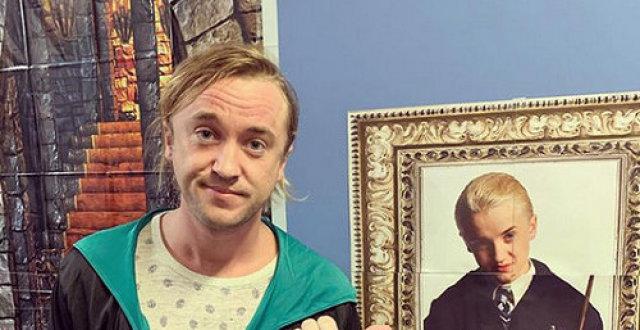
The actor of "Young Malfoy" in Harry Potter used to be handsome and aggressive in the movie, but now his face is rapidly aging in his early 30 s, attracting many netizens to shout: How did young Malfoy suddenly become "Old Malfoy"?
On the other side of the continent, in eastern Asia, the situation is quite the opposite. For example, some time ago, Nicholas Tse, the "young male god" who was searched on the same box with Ding Zhen, is now 41 years old, but he still looks like a teenager. With Ding Zhen, who is 21 years old, it seems that the two brothers are not at odds.

So, why do Europeans and Americans (especially white people) look old when they are young, while Asians of the same age (especially yellow people in East Asia) look relatively young?
The reason for this difference is the large inventory
1. Racial genes
● MC1R gene
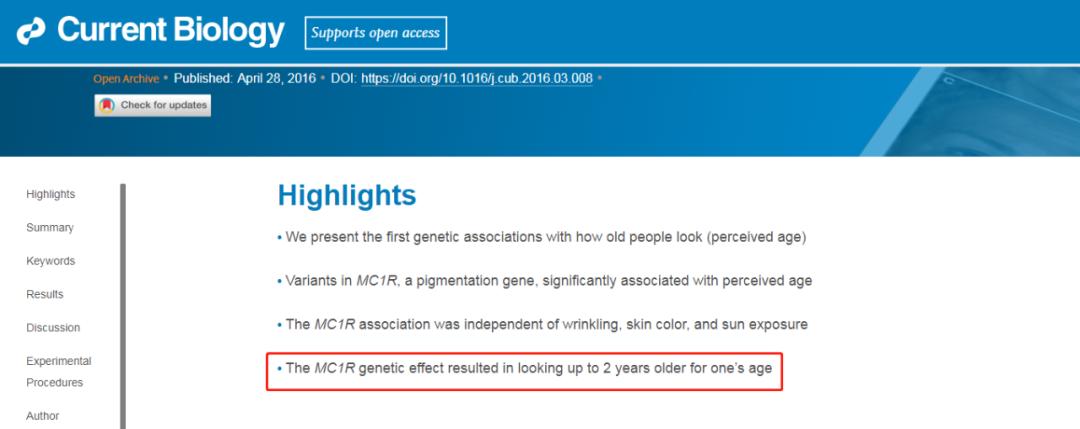
A study in Modern Biology has confirmed the relationship between perceived age and genetic genes. In Dutch and British people, there is a significant correlation between DNA variation in MC1R gene and perceived age. The variation of MC1R gene will make them look two years older than their actual age.
● Facial skin and facial features structure
The relative advantages of Europeans and Americans’ faces are clearer contours, more three-dimensional facial features and better looking on camera. But at the same time, it also suffers from the loss of collagen with age, and it is more prone to problems such as fine lines, dryness and depression.
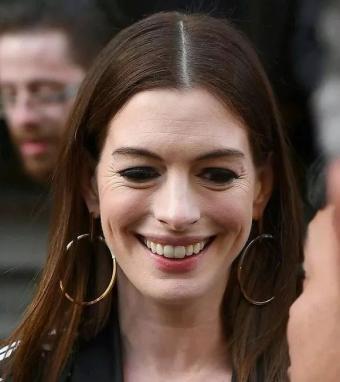
Anne Hathaway, less than 40 years old, looks older.
(But it is said that this picture has been sharpened.)
A study on the characteristics of aging face of indoor working women in China and France shows that the average time of facial wrinkles of French women is 10 years later than that of French women.
Compared with Europeans and Americans, Asians not only appear wrinkles later, but also have thicker collagen layers, with gentle facial features and round and full faces, so they look younger.
However, the skin characteristics of Asians are not absolutely perfect, and it is easier for them to have decrees and sagging skin structure at a young age. Compared with Europeans and Americans, they are more prone to tanning and yellowing.
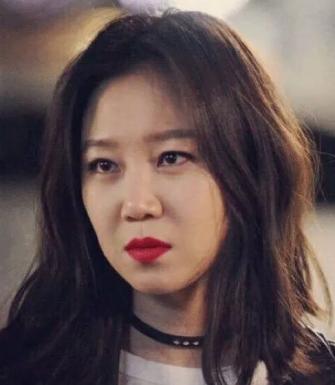
(Kong Xiaozhen, 2 years older than Anne Hathaway)
In addition, Europeans and Americans are generally tall (especially the Dutch, who are jokingly called 2m per capita), giving people a very mature feeling, while Asians are relatively petite and tend to look young.
Therefore, many compatriots go abroad to study, work and travel, often like "straying into a giant country" and being regarded as minors or child laborers by foreigners.
2. Living habits
● Like outdoor sports, sunbathing and tanning.
Asians have always regarded white as beauty, so they pay great attention to sun protection. Europeans and Americans, on the other hand, like to tan their naturally fair skin with wheat color and bronze color through outdoor sports, sunbathing, tanning, etc., thinking that it looks "healthy" and is a symbol of status (wealth).
But in fact, this is not healthy at all. The whiter the skin color, the easier it is to get sunburned and get old (on the contrary, the darker the skin, the easier it is to get tanned, but it is more anti-aging).
Pure sunlight without any sun protection can easily lead to a series of skin problems such as polymorphic solar rash, solar urticaria, chronic actinic dermatitis, pigmented diseases, and even skin cancer.
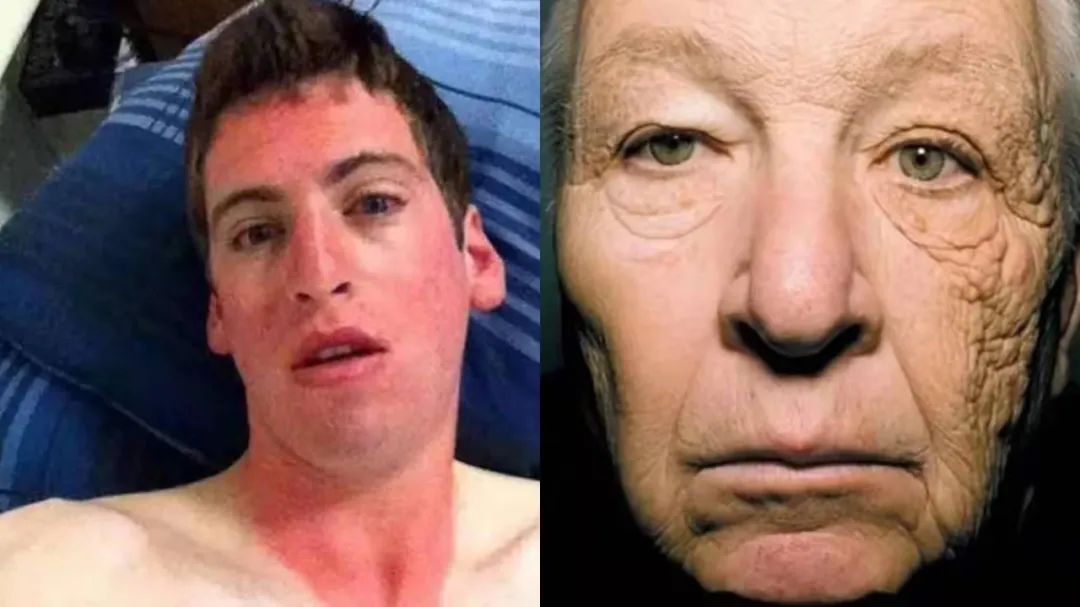
(Sunburn and photoaging)
Low expression.
Europeans and Americans are used to using exaggerated mood, actions and expressions to express their feelings (Oh my God), but long-term exaggerated expressions may cause and deepen expression lines.
At first, expression lines only appear when making dynamic expressions (that is, dynamic lines). Over time, facial muscles are repeatedly folded and become static lines, which take root on the face and will not disappear even if you don’t make expressions.
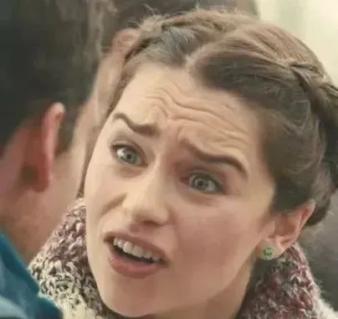
(dragon mother who is committed to speaking with expressions)
3. beard and body hair
Due to environmental factors affecting racial genes, Europeans and Americans are generally born with thicker chest hair than Asians. At the same time, they also like to grow beard, chest hair, leg hair and other body hair, which is considered very sexy, mature and manly (daddy-like).
However, our Asian people don’t have so much hair, and we are also used to trimming beard and leg hair, which looks clean, tidy and refreshing.
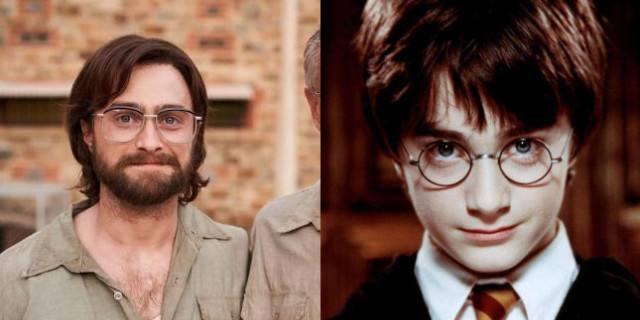
(The same person, from fresh meat to uncle, only needs a pile of beard and body hair)
4. Baldness and alopecia
It goes without saying who looks older with sparse and bald hair and thick hair.
In China, the proportion of male seborrheic alopecia is about 19.75%, but in Europe and America, the proportion of seborrheic alopecia basically increases with age. About 30% of 30-year-old men suffer from this problem, and about 50% of 50-year-old men have seborrheic alopecia.
Seborrheic alopecia runs in families, such as Prince William of England, his father Prince Charles and his grandfather Prince Philip, all of whom are typical seborrheic alopecia patients.
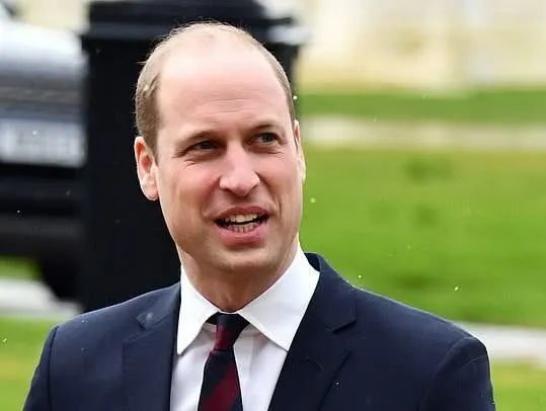
(Prince William, who went bald at an early age)
5. obesity and diet
Because the diet structure in Europe and America is mostly fried and baked sweets, and healthy foods such as fruits and vegetables are much more expensive than junk food, many Europeans and Americans are seriously overweight and completely out of shape.
Moreover, some studies have shown that high-fat diet can cause inflammatory damage through skin oxidative stress, which will lead to skin aging.
Being fat may really look old, while people with well-proportioned bodies will look younger and more energetic than obese people as a whole.
For example, chestnuts, Xiao Lizi and Gong Yoo are typical representatives of uncles in the East and the West, but Gong Yoo, who pays attention to diet and is keen on fitness, has always kept a good figure, giving people the illusion that they are not the same generation, but they are actually only a few years apart.
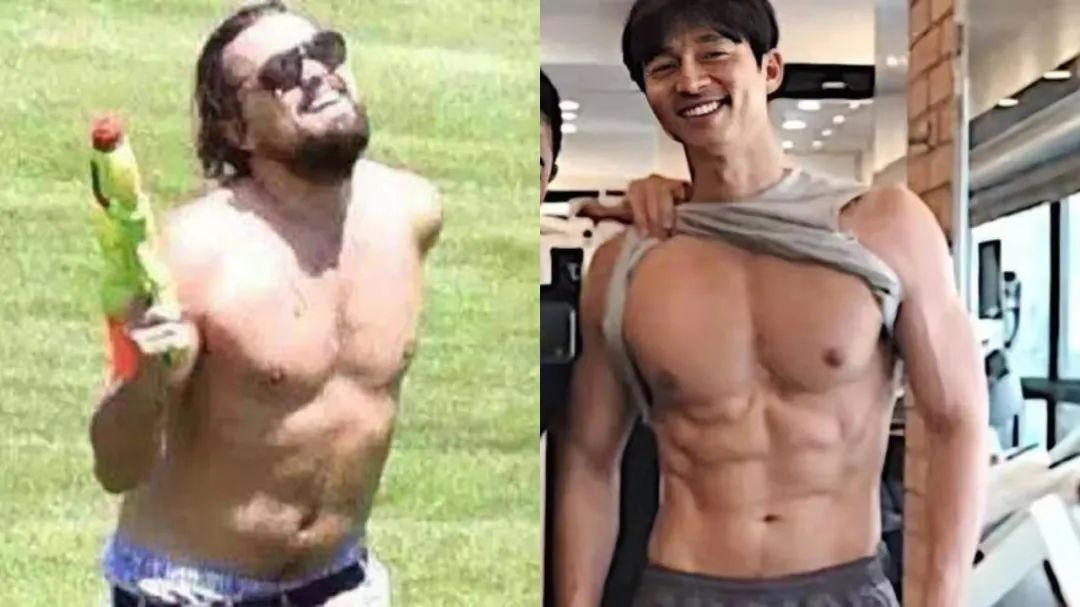
(Little Plum who loves to play with water guns VS Agassi who loves to roll iron)
6. Aesthetic culture
Most European and American women like smoky heavy makeup, which makes them more mature and deep. Asian women generally prefer light pink makeup to create a pure and pseudo-plain look.
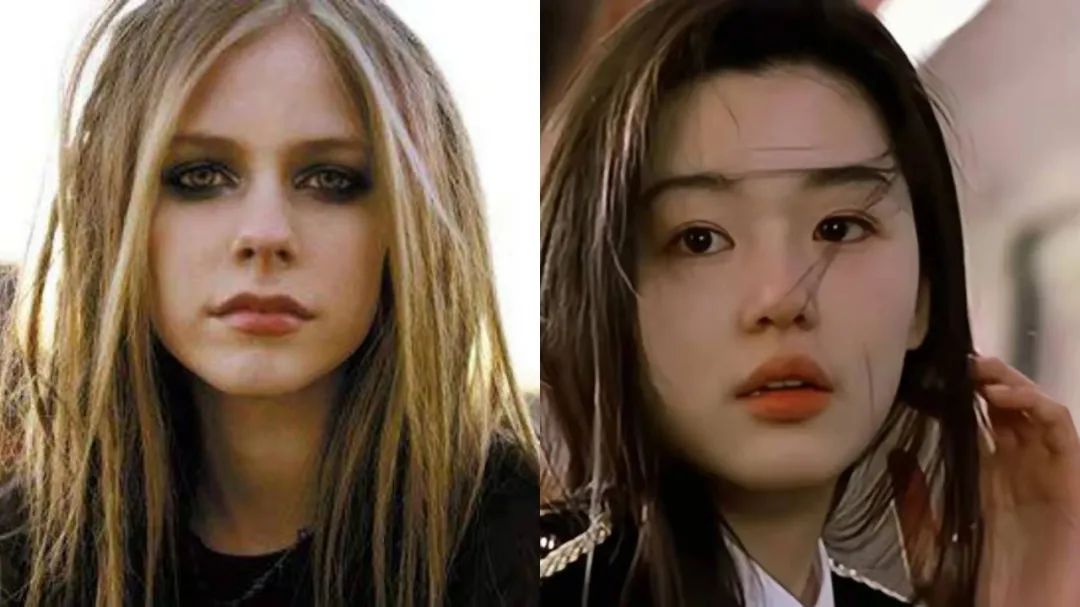
(They are all great beauties, but the makeup is still light and the makeup is more tender)
In addition, European and American costumes, as well as cultural traditions such as European and American teenagers’ early contact with dance activities, will also make them look older than their actual age (while most of our Asian friends wait until they work in universities to concentrate on dressing up and socializing).
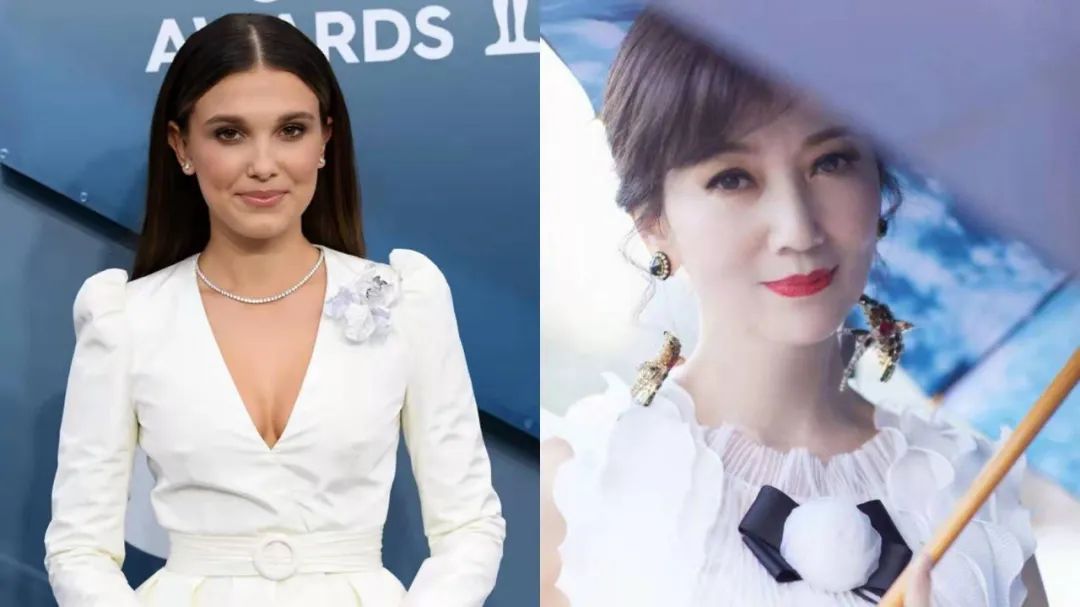
(Millie in 2004 vs Angie Chiu in 53, age difference is 51 years).
Experiences and habits of skin care and anti-aging that can be used for reference
Although we are indeed younger than Europeans and Americans, aging is the only way for everyone in the world, and it is inevitable for everyone. We will eventually usher in the moment of getting old.
There are also some Europeans and Americans who are young, while some Asians are very old, in which acquired maintenance and makeup and hair styling play an important role.
Moreover, as mentioned above, Asians are more prone to dark yellow tanning and sagging face, so we can’t completely ignore skin care and anti-aging.

Therefore, from the above inventory of the reasons for the differences in aging degree between Europeans and Americans and Asians, we can learn from the fact that by scientifically caring skin and dressing up, we can delay the skin aging speed and look younger than our actual age and peers:
● Daily cleaning, moisturizing and sun protection, especially sun protection.
● Choose a makeup, hairstyle and clothing that suits you or is tender.
● Adhere to the use of anti-aging skin care products, and consider anti-aging medical beauty projects if the budget is sufficient.
● Control weight, eat and live healthily, don’t stay up late to smoke, and pay attention to the management of expression.
● Trim and shave off the excess beard hair regularly. If you are bald at an early age, consider wearing a wig or planting hair.
(Click to watch+share. Merry Christmas to everyone.)
[References]
[1]Liu F, Hamer MA, Deelen J, Lall JS, Jacobs L, van Heemst D, Murray PG, Wollstein A, de Craen AJ, Uh HW, Zeng C, Hofman A, Uitterlinden AG, Houwing-Duistermaat JJ, Pardo LM, Beekman M, Slagboom PE, Nijsten T, Kayser M, Gunn DA. The MC1R Gene and Youthful Looks. Curr Biol. 2016 May 9; 26(9):1213-20. doi: 10.1016/j.cub.2016.03.008. Epub 2016 Apr 28. PMID: 27133870.
[2]Nouveau-Richard S, Yang Z, Mac-Mary S, Li L, Bastien P, Tardy I, Bouillon C, Humbert P, de Lacharrière O. Skin ageing: a comparison between Chinese and European populations. A pilot study. J Dermatol Sci. 2005 Dec; 40(3):187-93. doi: 10.1016/j.jdermsci.2005.06.006. Epub 2005 Sep 8. PMID: 16154324.
[3]Cao C, Xiao Z, Wu Y, Ge C. Diet and Skin Aging-From the Perspective of Food Nutrition. Nutrients. 2020 Mar 24; 12(3):870. doi: 10.3390/nu12030870. PMID: 32213934; PMCID: PMC7146365.
[disclaimer]
The data in this article was updated on December 25th, 2021.
Originated by Professor Yang Xichuan, a dermatologist, it aims to popularize science for readers.
Popular science content can not replace doctors’ diagnosis and treatment opinions, and is for reference only.
If you have skin problems, please consult a doctor in time.
Cover image source: Pexels
Read the original text